Home › Anomalous Reptiles › Anomalous Reptiles: Amalitzky
Anomalous Reptiles: Amalitzky
By Prof. Amalitzky.
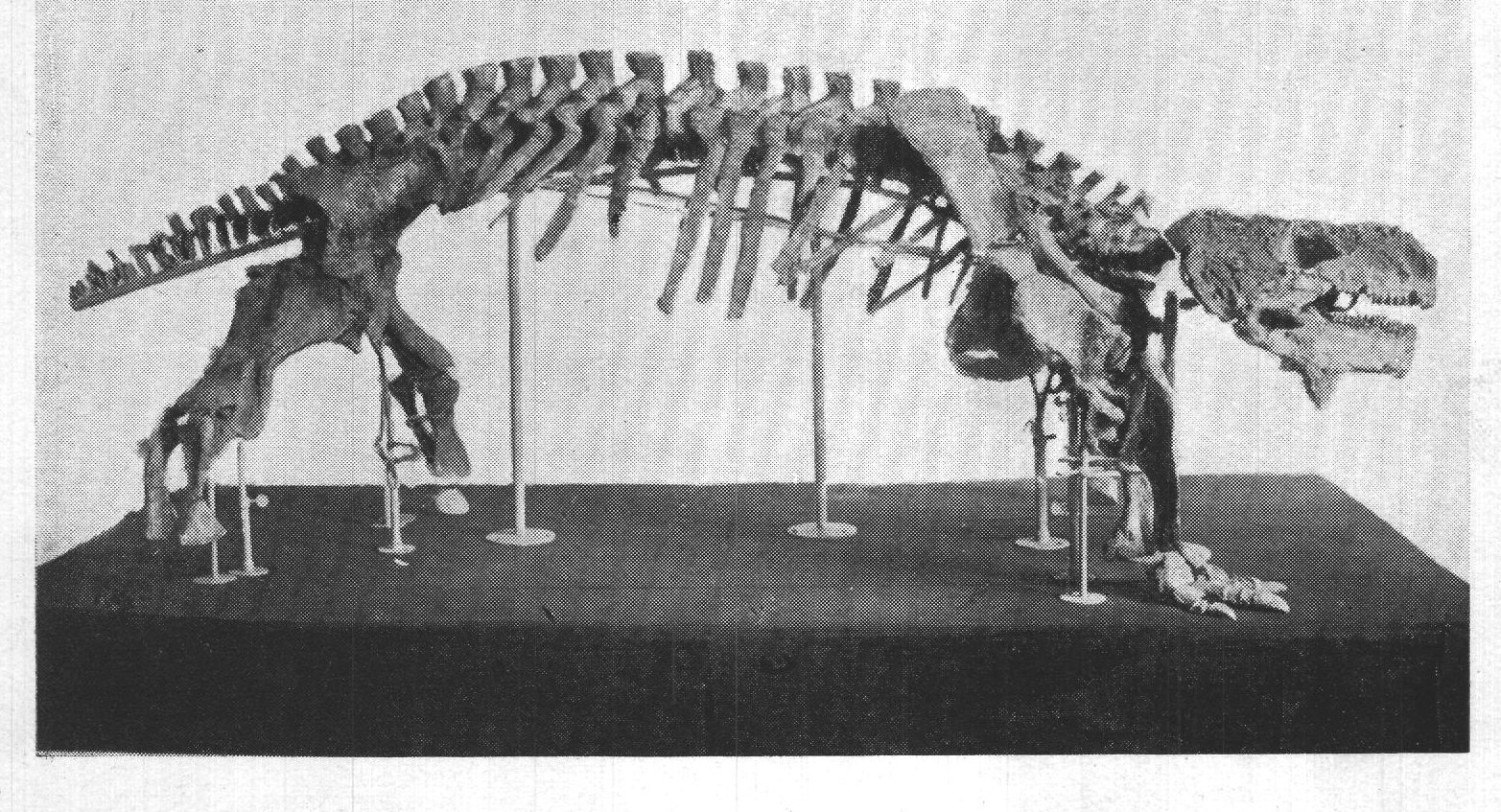
PLATE XII. 2. SKELETON OF PAREIASAURUS KARPINSKII.
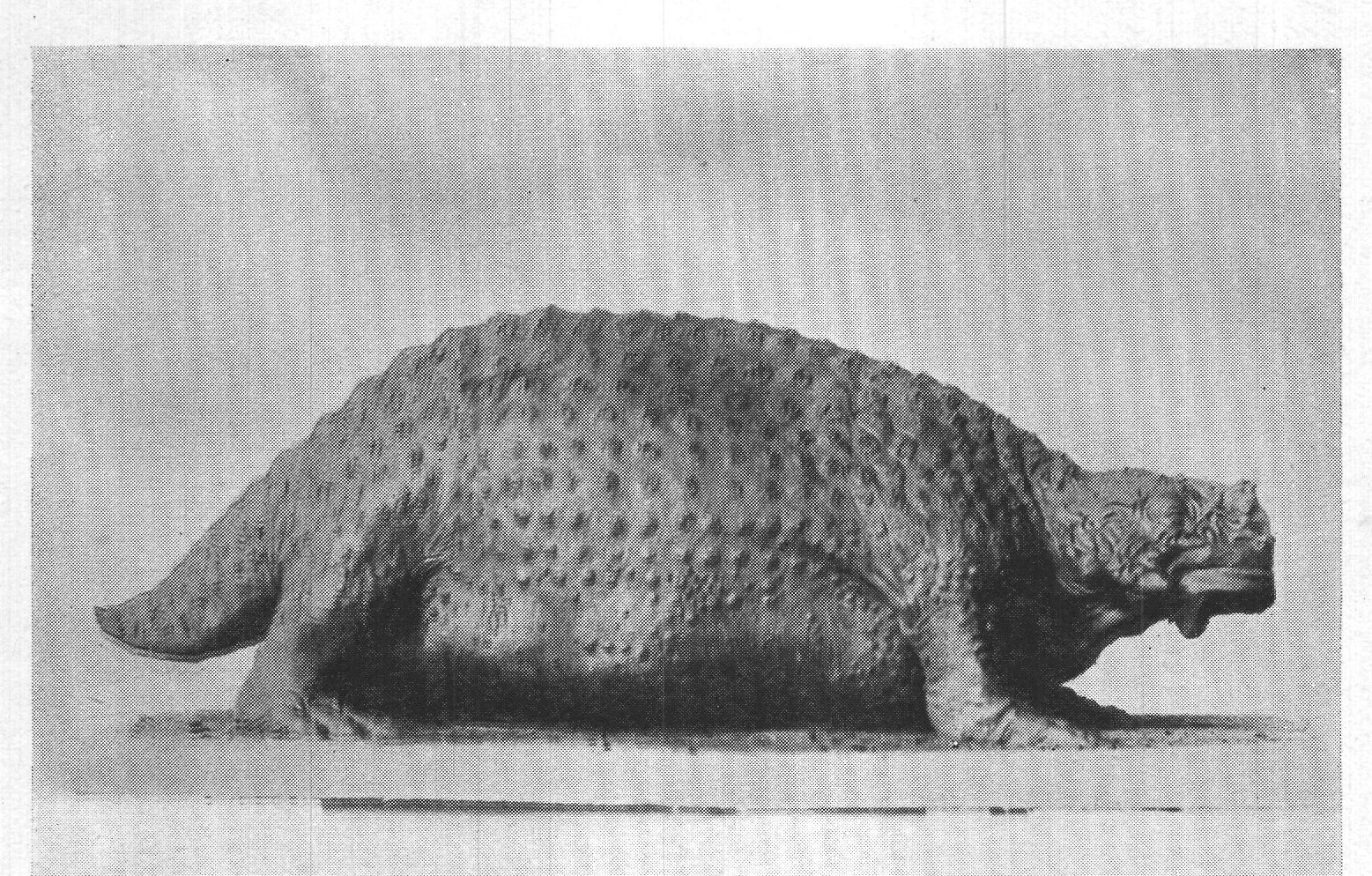
From photographs kindly sent by Prof. Amalitzky of Warsaw. or knob-like process, instead of by two, as in the Labyrinthodonts and all the amphibia.
Palæontologists have concluded that Labyrinthodonts, Anomodonts, and Monotreme mammals are all descended from some common amphibian stock. If this theory is true, the Anomodonts retained, while they were yet in existence, structures showing a relationship with mammals or a foreshadowing of them, which in all other reptiles have been altogether lost.
Palæontologists are often greatly helped in their studies by comparing extinct types of life with some of the living types which are very old-fashioned and, one would think, ought to have become extinct ages ago, but fortunately have not! We mentioned just now the Tuatara, as a case in point; another still more important case is that of the Monotreme mammals-the curious Duckbill and the Spiny Ant-eater (Echidna) of Australia (which, of course, is not one of the true Ant-eaters). These two remarkable egglaying mammals show some wonderful points of resemblance to the Anomodonts-points which cannot, however, be explained without entering too much into dry details of Anatomy. Indeed, they are a great puzzle to naturalists, and one hardly knows whether we ought to call them reptiles or mammals; but since they do suckle their young ones (after a primitive fashion, though), they have been placed with the latter; still it requires a slight stretch of imagination to look upon an egg-laying creature as a mammal.