Home › Anomalous Reptiles › Anomalous Reptiles: Seeley
Anomalous Reptiles: Seeley
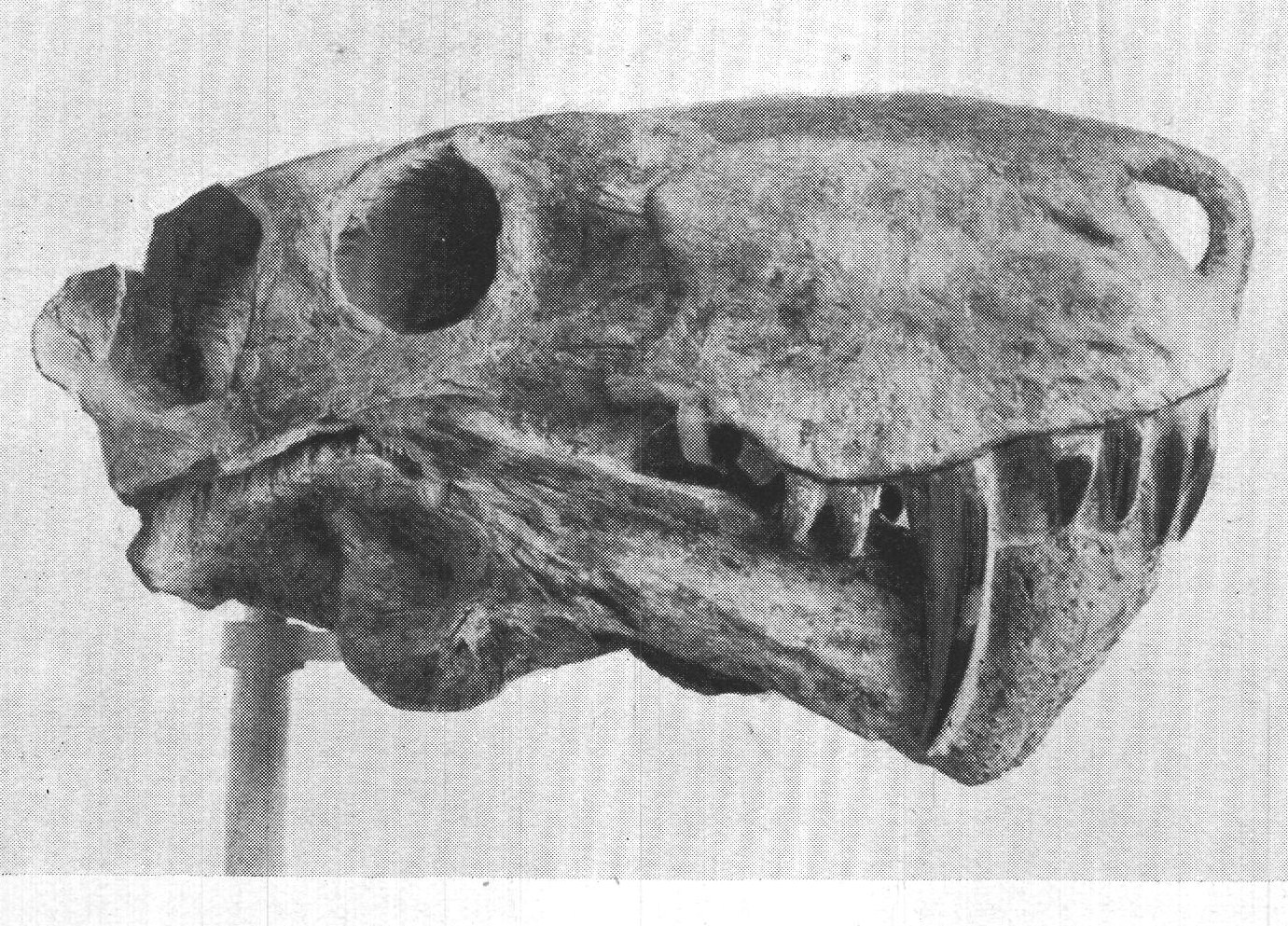
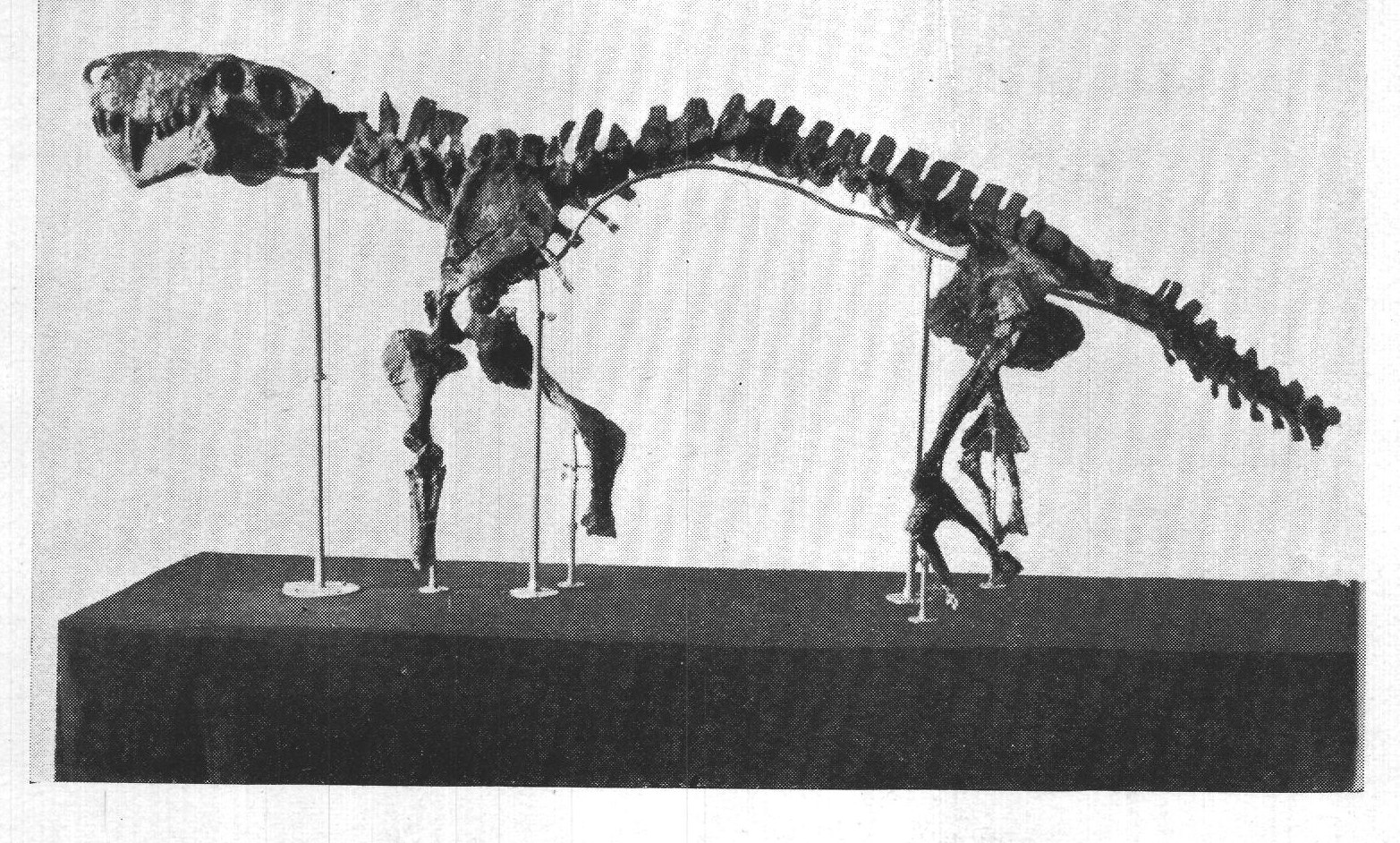
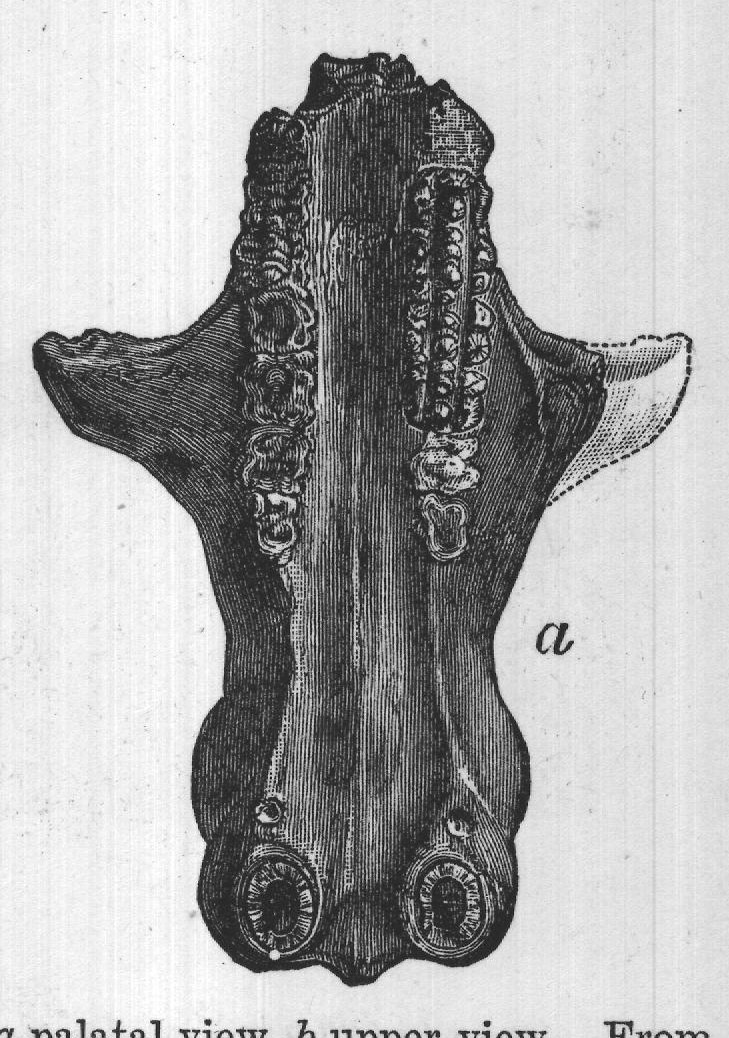
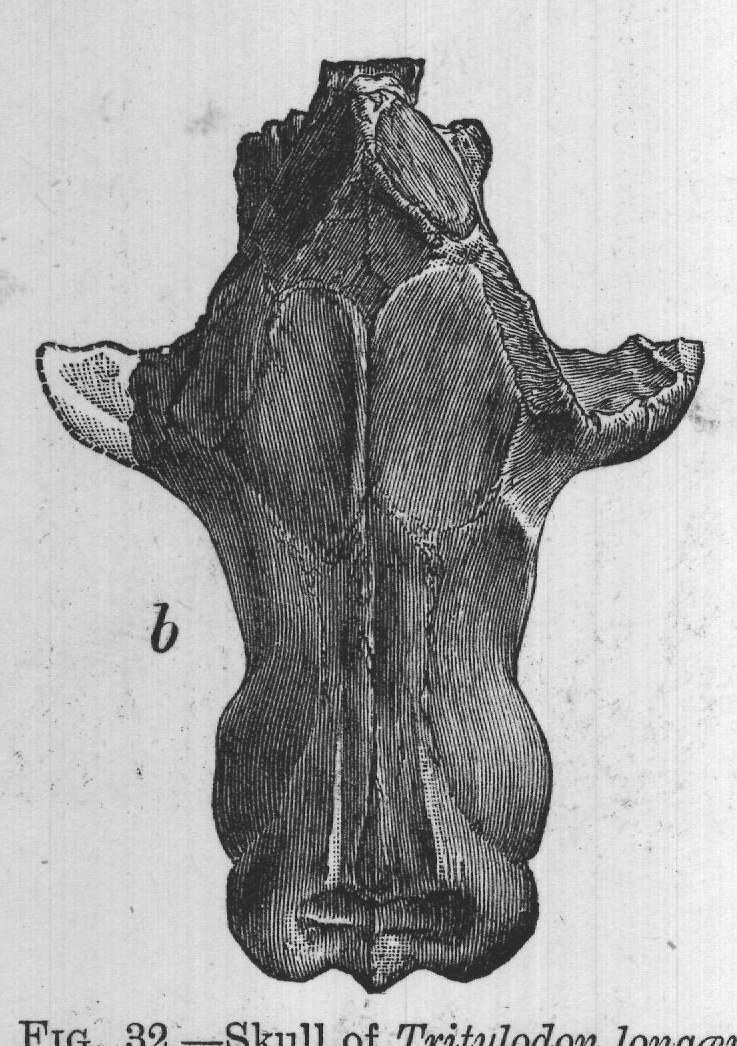
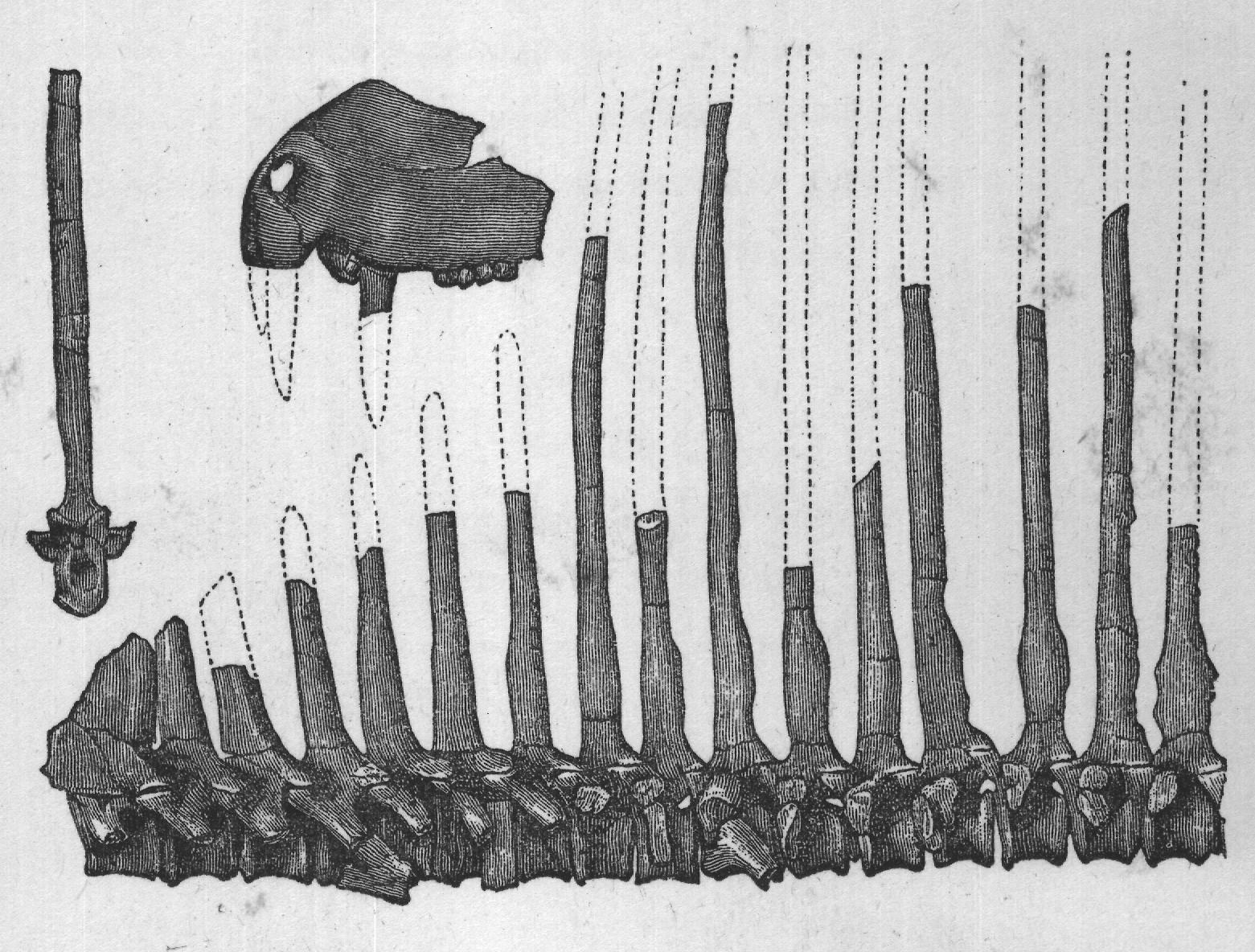
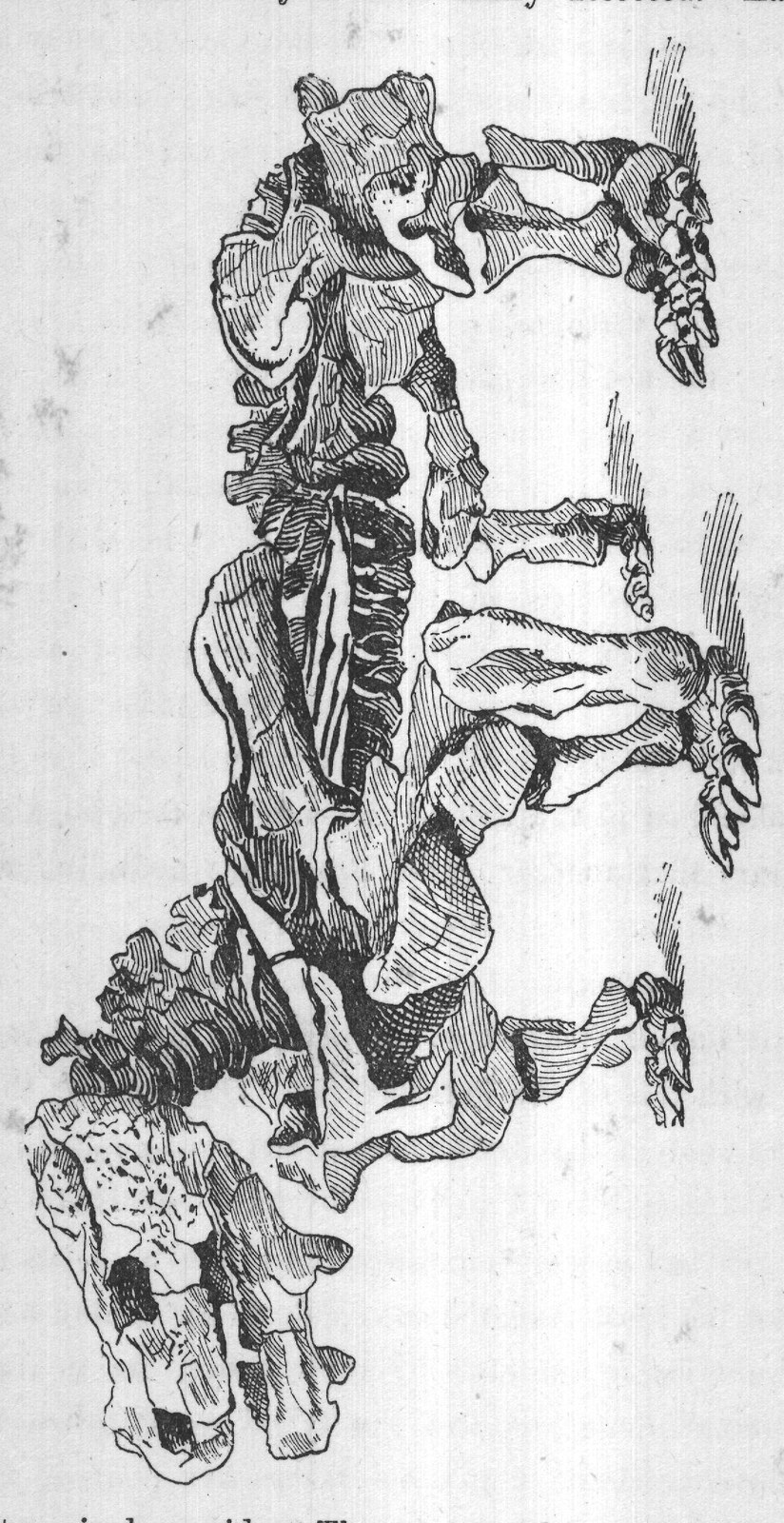
From photographs kindly sent by Prof. Amalitzky of Warsaw. since been carried on by the late Professor H. G. Seeley, F.R.S., who had contributed a series of elaborate papers to the Royal Society.¹ So far we have only spoken of Anomodonts that are imperfectly known; it therefore now remains, before we part company with this wonderful extinct order, to describe one of which the skeleton is practically complete. This is the remarkable Pareiasaurus,2 for the discovery and description of which palæontologists are b a FIG. 32. Skull of Tritylodon longævus, a palatal view, b upper view. From Triassic strata, Basutoland. indebted to a distinguished English geologist, the late Professor H. G. Seeley, F.R.S.3 Visitors to the Natural History Museum will see the unique specimen brought home by Professor Seeley at the end of the fossil reptile gallery, in a glass case by itself (see Fig. 34). The story of its discovery, as given in the journals above 1 Philosophical Transactions, vols. 179, 183, etc. 2 Greek-pareia, the cheek-piece of a helmet; and sauros, lizard. So named because the cheek-bones descend so as partly to cover the back of the lower jaw. 3 Philosophical Transactions, vol. 183 B (1892), and Journal of South African Philosophical Society, vol. vi. p. 5 (1889–90). quoted, may be briefly condensed as follows:- In the year 1889 Professor Seeley visited Cape Colony, and examined the Museums of Cape Town and Graham's Town, with a view to studying such remains of the creature as were then known; but almost every specimen of real interest had already been sent to the British FIG. 33. Parts of skeleton of Dimetrodon incisivus, from Permian strata, Texas. About natural size. (After Cope.) See p. 118. Museum. He succeeded in unearthing, in the year 1889, in the Karoo rocks, the most valuable specimen shown in Fig. 34. There is probably no other South African fossil reptile in which the teeth are developed to the same extent in rows on the palate. Three rows of scutes, or bony scales, appear to have extended down the middle of the back, but the restoration by Professor Amalitzky (Plate XII.) shows many more. Some of these are still preserved in contact with the neural spines on the specimens, but they are not easily detected. Each scute is FIG. 34. Skeleton of a large Anomodont reptile, Pareiasaurus Baini, from Karoo strata, South Africa, exhibited in the Natural History Museum. Length 9 feet. (From a sketch by J. R. Hutchinson.) about two inches wide. There were also scutes on the skull, as in the Labyrinthodonts.