Home › What I Saw in an Ant's Nest › What I Saw in an Ant's Nest: Formica
What I Saw in an Ant's Nest: Formica
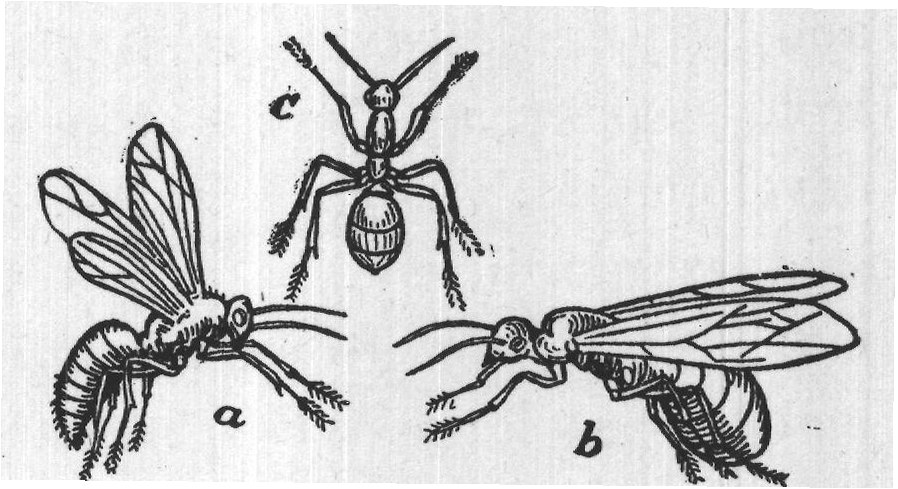
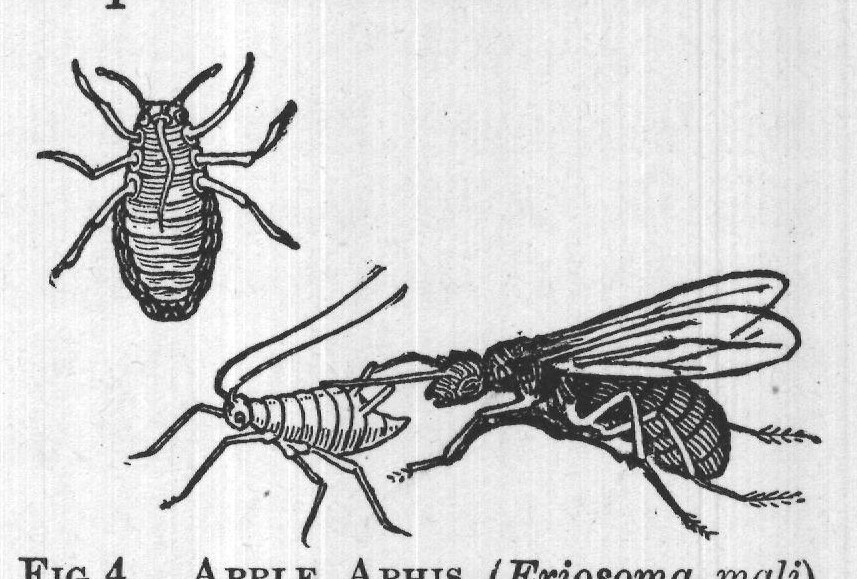
In a single ant's nest a b more than one female FIG. 3. RED, OR HORSE-ANT (Formica may be found, the ants rufa). a, male; b, female, winged; c, worker. differing from the bees in this respect; and in the nests of some species of ants there are apparently "soldiers" resembling the military termites in the possession of large heads and well-developed jaws. Very amazing differences are to be perceived amongst the various species of ants. Differences in size are of common occurrence, but naturalists have actually succeeded in classifying ants in a general way, by differences in manner and disposition. We know, for example, that the horseant (Formica rufa, Fig. 3) has little individual intelligence, but is extremely socialistic, and moves and acts en masse with precision and tact. Another species (F. fusca) is timid and retiring. F. pratensis is a revengeful creature, since it " worries" its fallen foes; F. cinerea is bold and audacious; others are termed "thieves" and "cowards"; some are phlegmatic; and to complete the list of failings and traits which are human enough in character, one species is said to present an invariable greediness as its prevailing characteristic. The common ants resemble the termites in the general details of their life. We see in an ant's nest the same restless activity of the workers, the same earnest attention paid to the young and pupe, the same instinct in shielding the young from danger, and much the same general routine of development. Certain rather special, and it may be said extraordinary, habits of ants may, however, demand notice before we attempt a brief survey of their instincts at large. Few readers are unacquainted with the Aphides, or plant-lice, those little wingless insects which infest our plants and herbs in myriads in summer. It is a fact now well known to naturalists, and first placed on record by Huber, that between the ants and plant-lice, relations of a very friendly and, as far What I Saw in an Ant's Nest as the ants are concerned, advantageous character have become established. Ants have been observed to stroke the tips of the bodies of the plant-lice with their attennæ, this act causing the plant-lice to exude drops of a clear, sweet fluid, of which the ants are extremely enamoured.
The ants would thus appear to habitually "milk" their insect- FIG 4. APPLE APHIS (Eriosoma mali). neighbors, and, as far as observation goes, some ants seem not merely to keep the plant-lice in their nests so as to form a veritable dairy establishment, but also to make provision in the future by securing the eggs of the aphides, and bringing up the young as we rear calves.