Home › Volumes › Game Birds
Snipe, Sandpipers, Etc.
Generally the sensitive bill is long and straight, often several times longer than the head, and frequently curved slightly upward or downward. With this tool these birds probe the sand or mud for food, feeling for what they want, and using the bill also as a forceps. Often the upper prong may be bent at will for hooking the earthworms out. Birds of this numerous family have four toes instead of three; but, in most instances, the structure is very like that of the plovers. Plumage, which is plain colored, varies with the season, but little with the sexes or with age. Usually the female is the larger. These birds average small, the least sandpiper being the smallest of our water fowl. With few exceptions they keep near the water's edge or wherever the ground is soft enough to be easily probed, whether by the sea and rivers or in inland bogs, moist meadows, and thickets. Exclusive when nesting, but not often solitary at other seasons, they are generally gregarious, strongly attached to their companions, and migrate in large flocks. "The voice is a mellow pipe, a sharp bleat, or a harsh scream, according to the species," says Dr. Coues. "Few birds surpass the snipe in sapid quality of flesh, and many kinds rank high in the estimation of the sportsman and epicure."
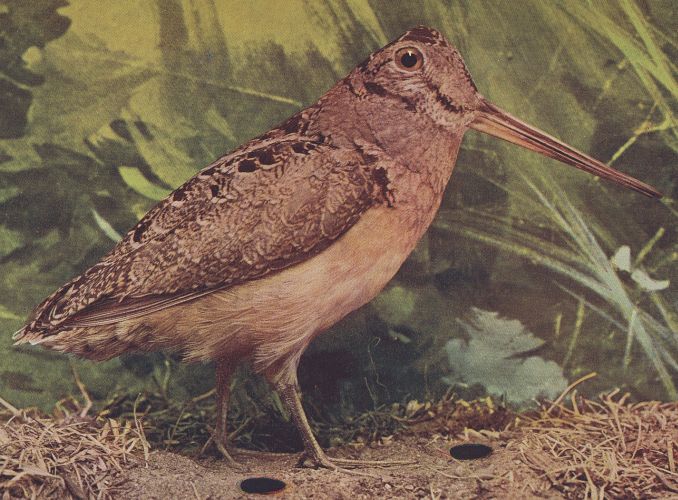 Woodcock Philobela minor
- Woodcock — Part 2 Philobela minor
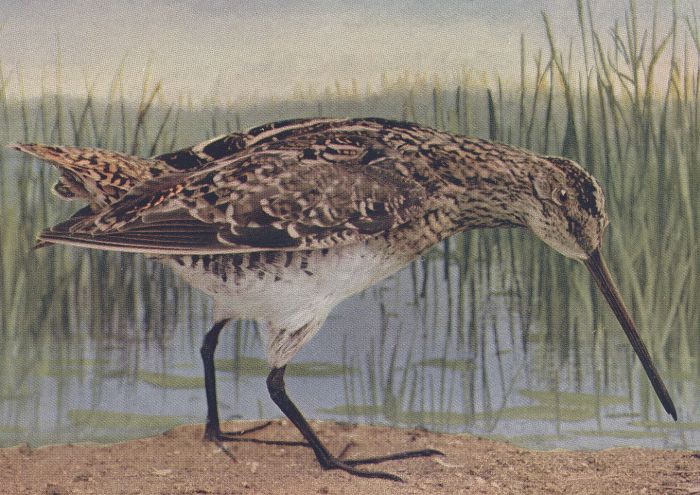 Wilson's Snipe Gallinago delicata
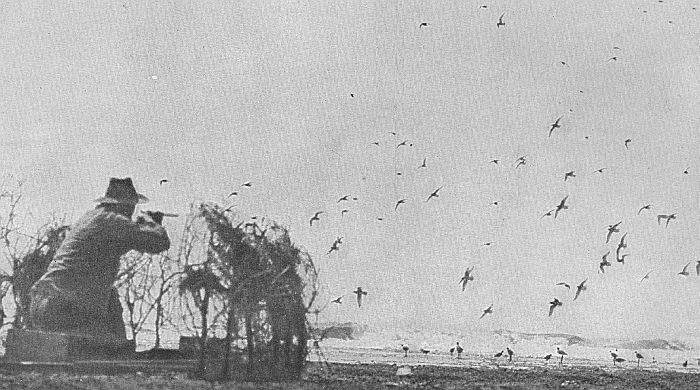 Dowitcher Macrorhamphus griseus
- Stilt Sandpiper Micropalama himantopus
- Knot Tringa canutus
- Knot — Part 2 Tringa canutus
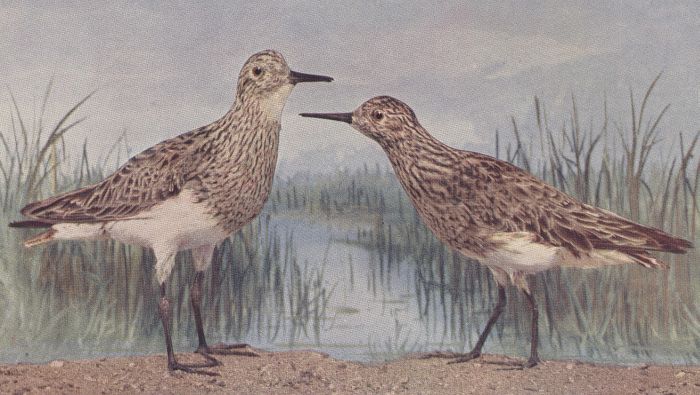 Pectoral Sandpiper Tringa maculata
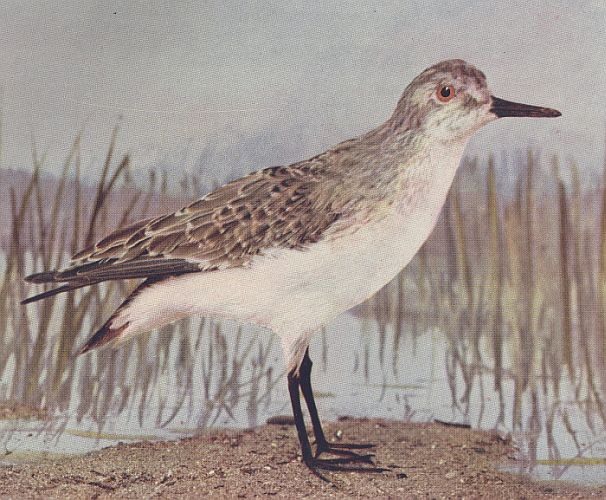 Least Sandpiper Tringa minutilla
- Red-backed Sandpiper Tringa alpina pacifica
- Sanderling Calidris arenaria
- Marbled Godwit Limosa fedoa
- Greater Yellowlegs Totanus melanoleucus
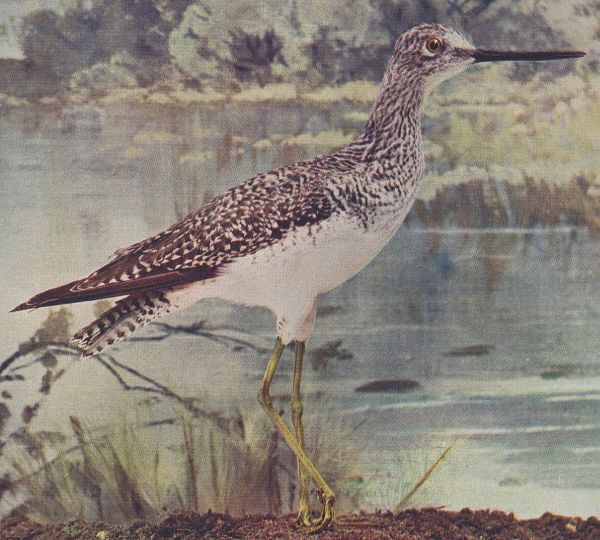 Yellowlegs Totanus flavipes
- Solitary Sandpiper Totanus solitarius
- Willet Symphemia semipalmata
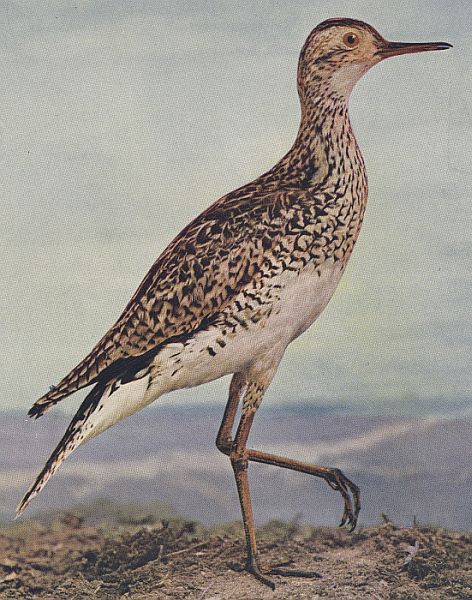 Bartramian Sandpiper Bartramia longicauda
- Bartramian Sandpiper — Part 2 Bartramia longicauda
- Spotted Sandpiper Actitis macularia
- Long-billed Curlew Numenius longirostris
- Long-billed Curlew — Part 2 Numenius longirostris