Home › Volumes › Butterflies › Sulphurs and Whites
Cabbage-butterfly
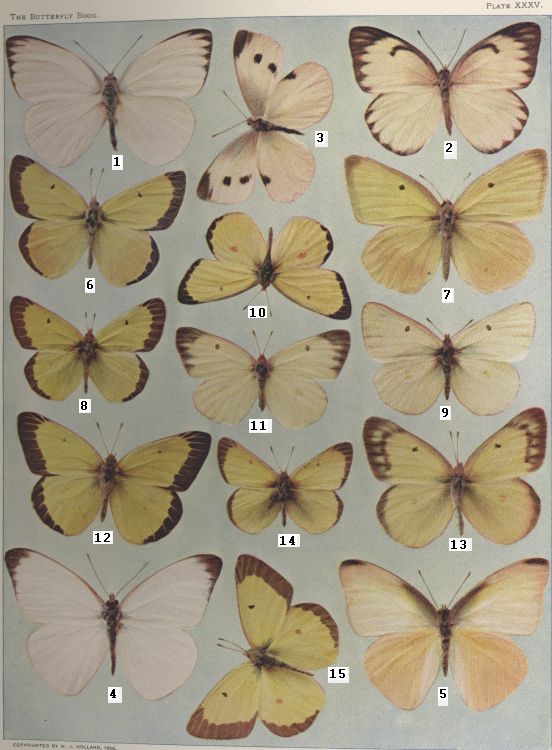
Butterfly.--This common species, which is a recent importation from Europe, scarcely needs any description. It is familiar to every one. The story of its introduction and the way in which it has spread over the continent has been well told by Dr. Scudder in the second volume of "The Butterflies of New England," p. 1175. The insect reached Quebec about 1860. How it came no man knows; perhaps in a lot of cabbages imported from abroad; maybe a fertile female was brought over as a stowaway. At all events, it came. Estimates show that a single female of this species might be the progenitor in a few generations of millions. In 1863 the butterfly was already common about Quebec, and was spreading rapidly. By the year 1881 it had spread over the eastern half of the continent, the advancing line of colonization reaching from Hudson Bay to southern Texas. In 1886 it reached Denver, as in 1884 it had reached the head waters of the Missouri, and it now possesses the cabbage-fields from the Atlantic to the Pacific, to the incalculable damage of all who provide the raw material for sauer-kraut. The injury annually done by the caterpillar is estimated to amount to hundreds of thousands of dollars.
INSTINCT
Two city fathers were standing in the market-place beside a pile of cabbages. A naturalist, who was their friend, came by. As he approached, a cabbage-butterfly, fluttering about the place, lit on the straw hat of one of the dignitaries. The naturalist, accosting him, said: "Friend, do you know what rests upon your head?" "No," said he. "A butterfly." "Well," said he, "that brings good luck." "Yes, "replied the naturalist; "and the insect reveals to me the wonderful instinct with which nature has provided it." "How is that?" quoth the city father. "It is a cabbage-butterfly that rests upon your head."