Home › Contents › Rocky Mountain Jay
Rocky Mountain Jay
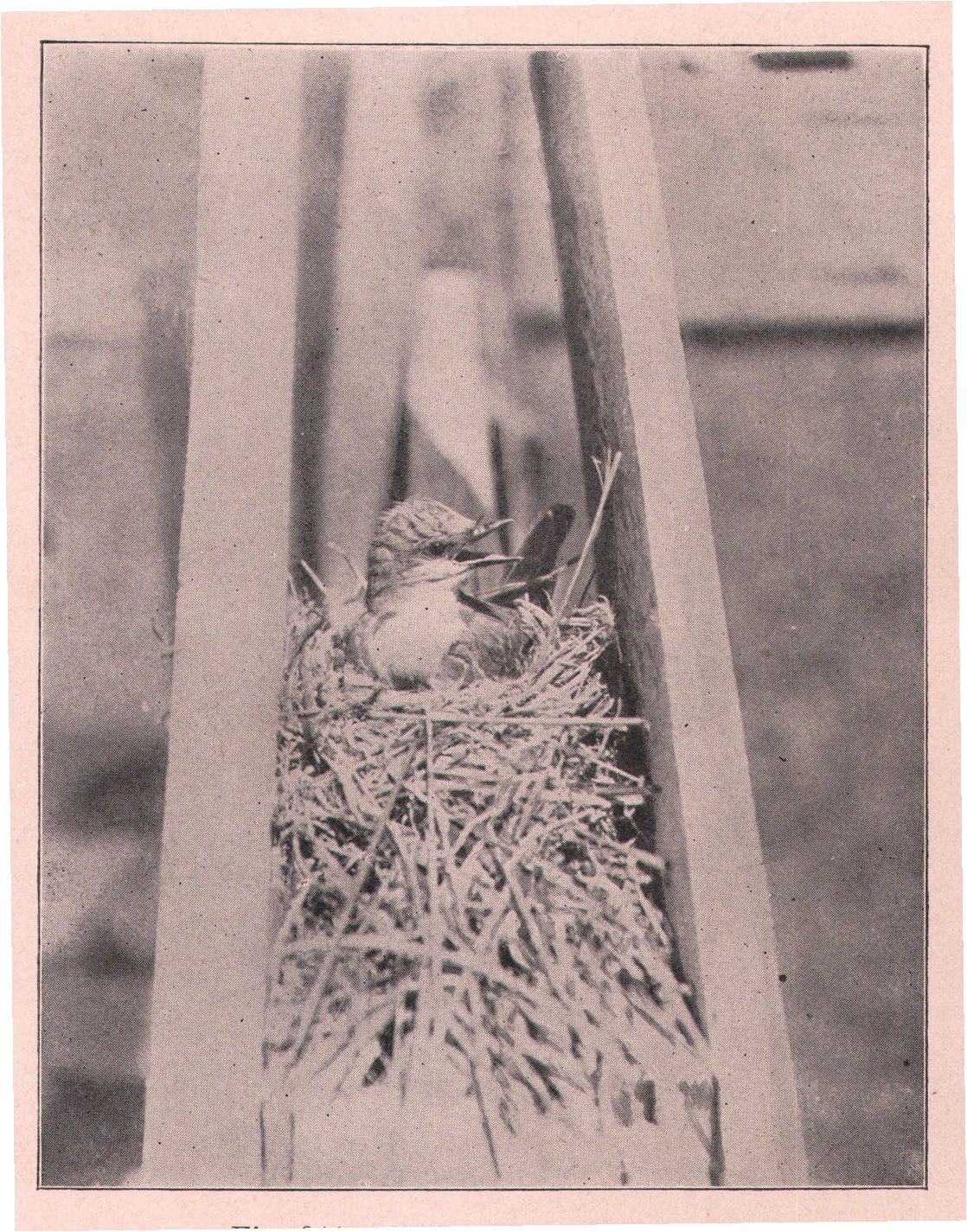
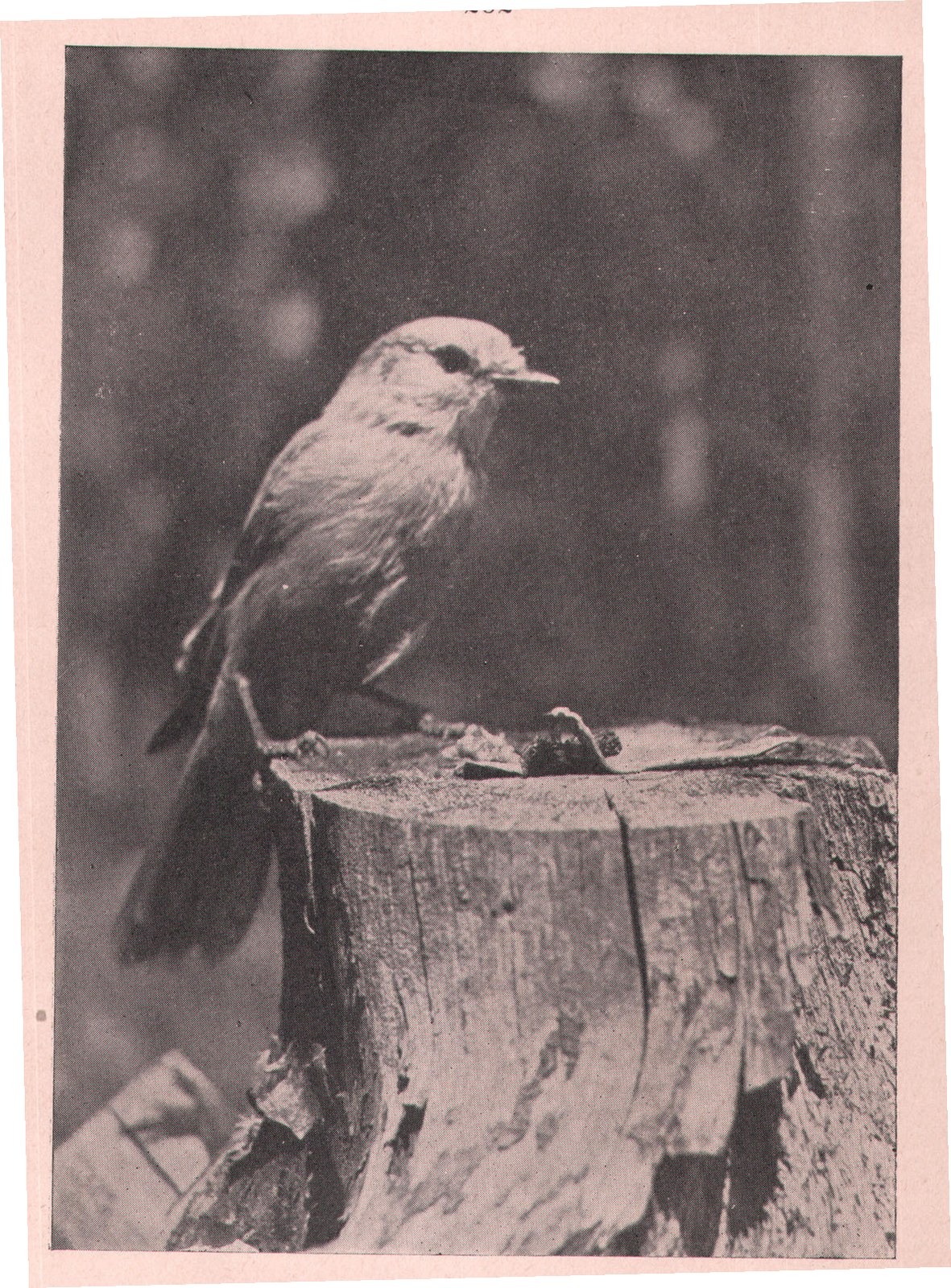
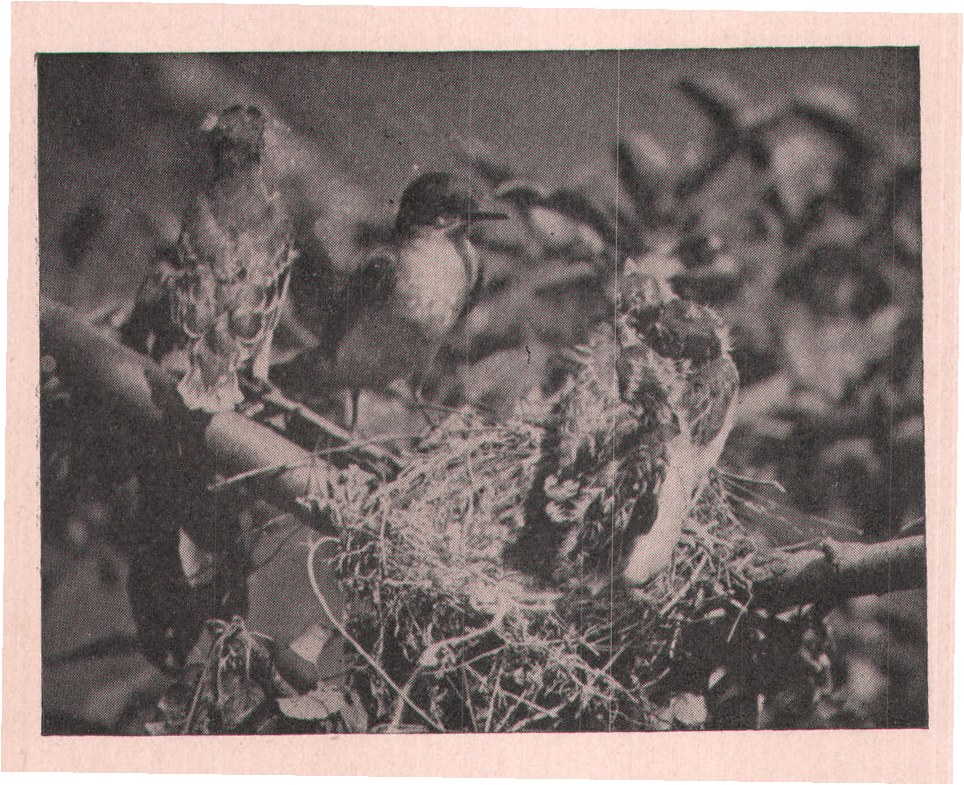
This is a sub-species of, and quite similar in appearance to, the Canada Jay commonly found in the northern tier of states and in Canada. No bird is better known to the to the lumbermen, trappers and hunters along our northern borders than the Canada Jay. It is seldom, however, that it is known by this name, being called locally "Moose Bird," "Camp-robber," "Whiskey Jack" (a corruption of the Indian name "Wis-ka-tjon"), and many others usually indicative of some of their bad traits. A handsome western species, -gray above and pale yellow below The habits of these birds are very similar to those of our Blue Jay but they are ever so much bolder, in fact they seem to be devoid of fear for man. During the summer months they are very, very destructive to small bird life; a single pair has been known to devour the young from four Junco nests in a single day.
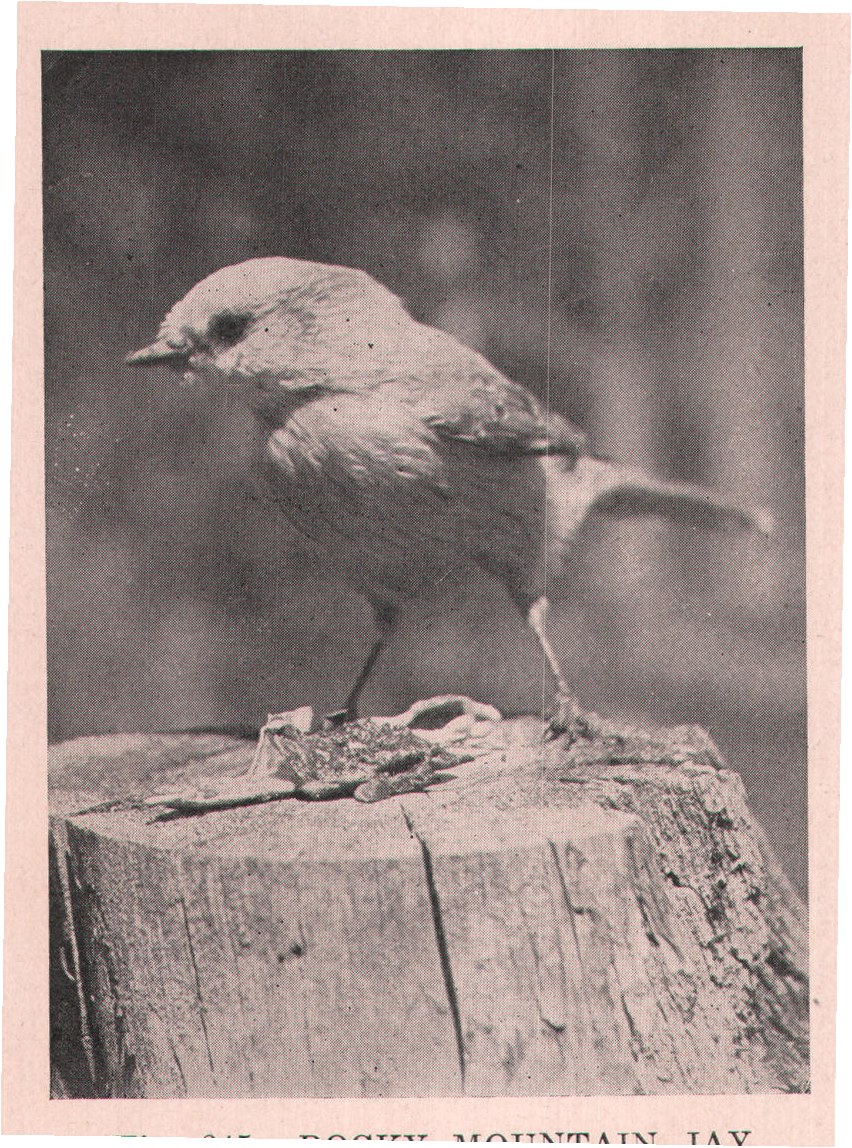
Fig. 245. This jay is one of the boldest, most inquisitive and most destructive birds known.
Their habits and their familiarity with mankind can be judged from the following from "The American Field ."
Anyone familiar with Canada Jays can vouch for its truth . "He will eat anything from soap to plug tobacco. His appetite and capacity to store away food is beyond belief .
One day we had a dozen large salmon trout hung up to dry, but being absent from camp for a few hours we returned to find four Whiskey Jacks had totally annihilated our fish.
They would fly off with pieces half a large as themselves and in a few minutes return for more. I have fed them small bits until they could hardly fly enough to get to a tree. Our pork, soap, tobacco and other provisions were unsafe in their sight and reach. Our Indians used to say: 'Him eat moccasins, fur cap, matches, anytink'."
In regard to the white-headed Rocky Mountain Jay, Mr. Frank M. Drew says: "In autumn, when on his first tour of inspection about the house, he hops along in a curious sidelong manner, just like a schoolgirl in a slow hurry.
White-headed, grave and sedate, he seems a very paragon of propriety, and if you appear to be a suitable personage, he will be apt to give you a bit of advice. Becoming confidential, he sputters out a lot of nonsense in a manner which causes you to think him a veritable 'Whiskey Jack;' yet when he is so disposed, a more bland, mind-his-own-business appearing bird will be hard to find, as will also be many small articles around camp after one of his visits, for his whimsical brain has a great fancy for anything which may be valuable to you but perfectly useless to him."
While everyone admits the great havoc wrought by these jays, their very impudence, boldness and audacity are so interesting and often amusing that nobody has the desire to kill them.
Six grayish-white eggs, spotted with yellowish-brown.